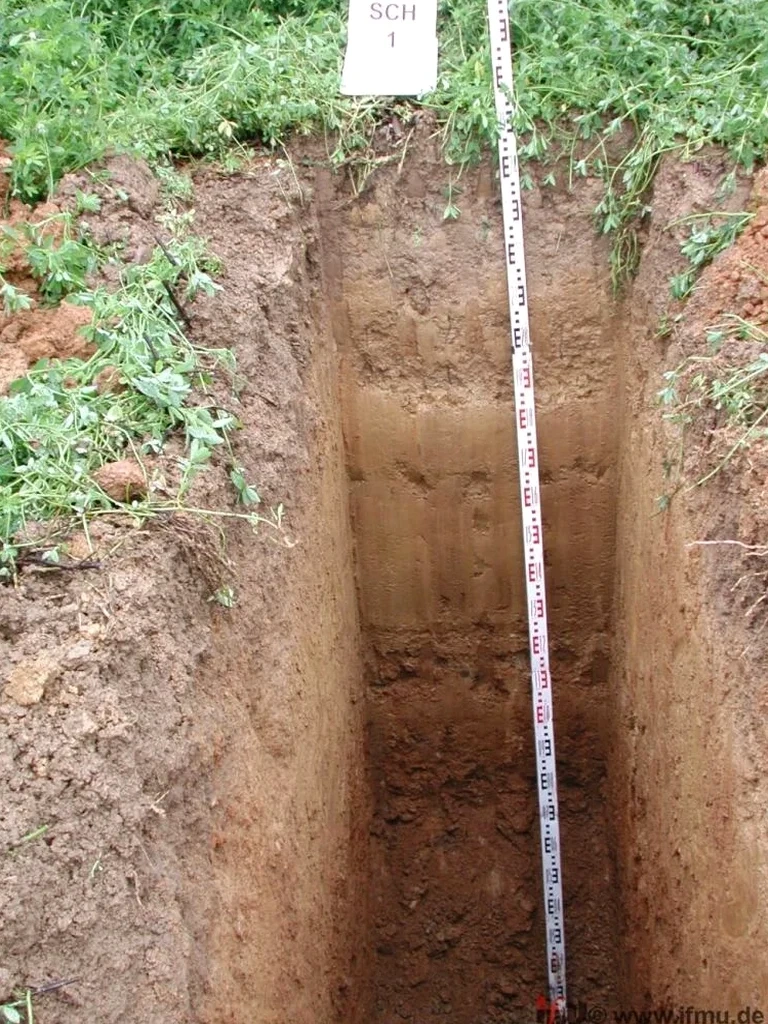
When a backhoe bucket first bites into the silty clay loam typical of Des Moines, you can immediately see why exploratory test pits matter here. The machine cuts a clean vertical face, exposing layers that range from weathered Wisconsinan till to pockets of loess that settled in the Raccoon River valley over millennia. Our field crews coordinate this excavation with a hydraulic excavator capable of reaching up to 14 feet, which is usually enough to get past the desiccated crust and into competent material. For deeper inquiries on the east side near the old floodplain, we pair the pit with spt drilling so the stratigraphic column is confirmed by blow counts. The immediacy of a pit means the geologist on site can feel the soil crumble between fingers, check mottling that hints at seasonal saturation, and decide right there whether to extend the trench another four feet. In a city where the water table often sits just six to eight feet down, that real-time judgment is worth more than any remote sensor data.
A well-logged test pit in Des Moines loess over till can save more foundation cost than three rounds of lab testing alone.