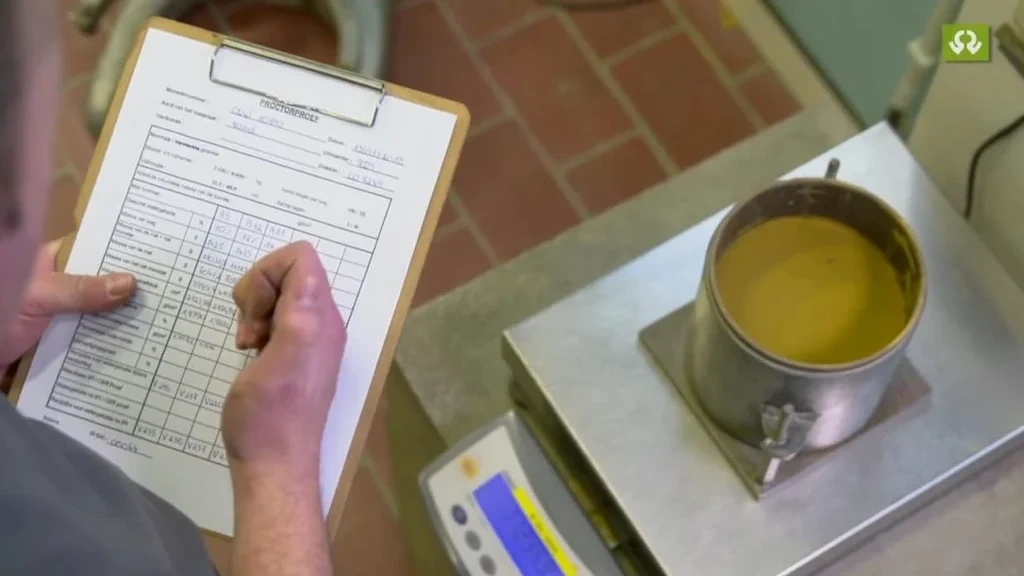
We ran Modified Proctor on glacial till from a Polk County courthouse expansion and the maximum dry density came back at 122.4 pcf at 11.8% optimum moisture. That number set the compaction spec for every lift of structural fill placed that winter. Des Moines sits on a mantle of Wisconsin-age till over Pennsylvanian shale, and the moisture-density relationship shifts block by block depending on whether you are cutting into the till plain or benching into weathered bedrock near the Raccoon River. A Proctor test is not just a lab curve. It defines the target the field crew chases with every nuke gauge pass, and getting the curve wrong means either over-compaction with wasted fuel and machine hours, or under-compaction that triggers settlement and slab cracking. We run both Standard Proctor (ASTM D698 / AASHTO T-99) and Modified Proctor (ASTM D1557 / AASHTO T-180) in our Des Moines lab, and we routinely cross-check the Proctor family with a grain-size analysis to flag gap-graded materials that fool a simple compaction curve.
A Proctor test does not predict strength. It defines the compaction target that turns loose fill into an engineered structural layer.
Reference standards
ASTM D698-12 – Standard Test Methods for Laboratory Compaction Characteristics of Soil Using Standard Effort, ASTM D1557-12 – Modified Proctor, AASHTO T-99 – Standard Proctor (AASHTO), AASHTO T-180 – Modified Proctor (AASHTO), ASTM D2216 – Moisture Content, IBC Chapter 18 – Soils and Foundations (referenced compaction acceptance)
Questions and answers
When should I specify Modified Proctor instead of Standard Proctor in Des Moines?
Specify Modified Proctor whenever the fill supports structural loads or heavy traffic. Most commercial projects in Polk County default to 95% Modified Proctor for building pads and 98% Modified for pavement subbase. Standard Proctor is appropriate for landscape berms, residential slabs on grade, and utility trench backfill where settlement tolerance is higher and compaction equipment is lighter.
What material do you need from the field to run a Proctor test?
We need roughly 40 to 50 pounds of representative bulk sample in a sealed bag to prevent moisture loss. The sample must come from the same lift and material source the crew is compacting. If the borrow source changes or the soil visually shifts from tan till to gray shale, we need a new sample and a new Proctor curve.
How much does a Proctor test cost in Des Moines?
Why does the lab report include a Zero Air Voids curve?
The ZAV curve is a physical limit: it shows the dry density you would achieve if every air void were eliminated at a given moisture content. No field compaction can exceed the ZAV line. If your field density points plot above or to the right of the ZAV curve, either the lab Proctor used a different specific gravity than the true value, or the field measurement is in error. It is a built-in QA check on the data.