Together, we solve the challenges of tomorrow.
LEARN MORE →Underground excavations in Des Moines encompass a specialized branch of geotechnical engineering focused on the design, construction, and monitoring of subterranean structures within the region's unique geological context. This category covers everything from soft-ground tunneling beneath the city's historic districts to deep excavations for building foundations near the Des Moines River. As Iowa's capital continues to grow, the demand for underground infrastructure—including utility corridors, stormwater storage systems, and transportation tunnels—has made these operations essential for sustainable urban development. Understanding how to safely excavate and support the ground in this area requires a thorough grasp of local soil behavior, groundwater conditions, and the regulatory framework that governs subsurface construction.
The geology of Des Moines presents distinct challenges that set it apart from other Midwestern cities. The area is underlain by glacial deposits, primarily Wisconsin-age till and loess overlying Pennsylvanian-age sedimentary rocks. Near the river valleys, thick sequences of alluvial soils—sands, silts, and soft clays—dominate the subsurface, creating conditions that demand careful geotechnical analysis for soft soil tunnels. These materials are prone to instability when excavated, particularly where groundwater levels are high. Additionally, the presence of weathered shale and limestone bedrock at varying depths introduces complexity for projects that require rock excavation or foundation support. Seasonal fluctuations in soil moisture, freeze-thaw cycles, and the potential for soil collapse during open-cut operations all factor into the planning of underground work here.
Projects in Des Moines must comply with federal, state, and local regulations that prioritize worker safety and environmental protection. The Occupational Safety and Health Administration (OSHA) Standard 29 CFR 1926 Subpart P governs excavation and trenching safety nationwide, requiring protective systems for excavations deeper than five feet. Iowa-specific codes, such as those administered by the Iowa Department of Natural Resources, address groundwater management, erosion control, and disposal of excavated materials. Local building permits and the Des Moines Municipal Code also impose requirements for shoring, underpinning, and vibration monitoring when excavations occur adjacent to existing structures. Engaging a team experienced in geotechnical design of deep excavations ensures compliance with these overlapping regulations while maintaining project schedules.
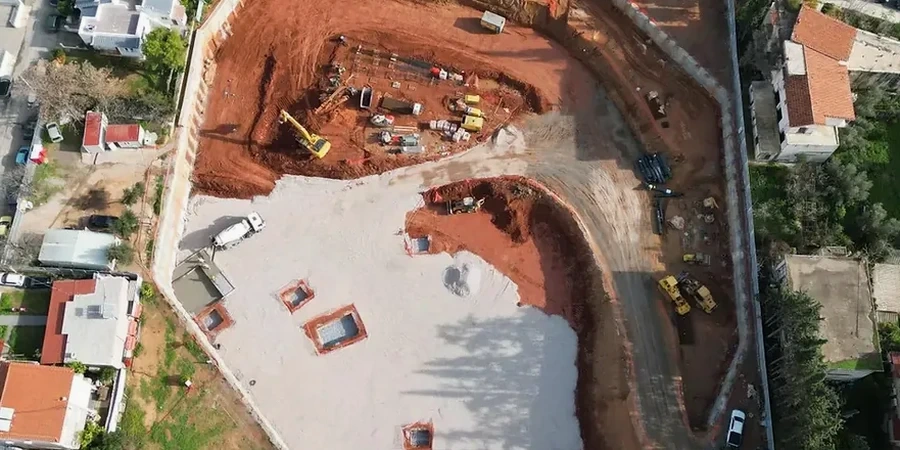
The types of projects that rely on underground excavation expertise in Des Moines are diverse and growing. Major infrastructure initiatives, such as the reconstruction of combined sewer overflow tunnels and the expansion of downtown utility networks, require precise tunneling methods suited to soft, water-bearing ground. Commercial and institutional developments often involve deep basements and parking structures that push excavation depths beyond 30 feet, necessitating robust earth retention systems. Transportation projects, including highway underpasses and light rail extensions, further drive the need for geotechnical excavation monitoring to protect adjacent roadways and utilities. Even smaller-scale work like microtunneling for fiber optic installation benefits from the same principles of ground control and risk mitigation that define this category.
The primary risks stem from the region's alluvial soils near river valleys, which are often loose and water-saturated, leading to instability during tunneling or deep cuts. Groundwater infiltration can cause seepage or collapse, while glacial till layers may contain boulders that complicate excavation. Adjacent structures also face settlement damage if support systems are inadequate, making thorough site investigation and monitoring critical.
Soft clays and silts common along the Des Moines River corridor often require closed-face tunneling methods like earth pressure balance machines to manage groundwater and prevent ground loss. In drier upland areas with stiffer glacial till, sequential excavation methods or soil nailing may be feasible. The variable bedrock depth also dictates whether mechanical or drill-and-blast rock excavation is appropriate.
Permit requirements typically involve the City of Des Moines for right-of-way and building permits, along with Iowa DNR approvals for dewatering discharge and erosion control. OSHA trench safety regulations apply to all excavations over five feet deep, and additional review from the U.S. Army Corps of Engineers may be necessary if work occurs near navigable waters or involves significant fill.
Project duration varies widely depending on scope, ground conditions, and depth. A small utility trench might be completed in weeks, while a major tunnel or deep basement excavation can span several months to over a year. Unforeseen groundwater or soil variability often extends timelines, reinforcing the value of upfront geotechnical analysis to set realistic schedules.