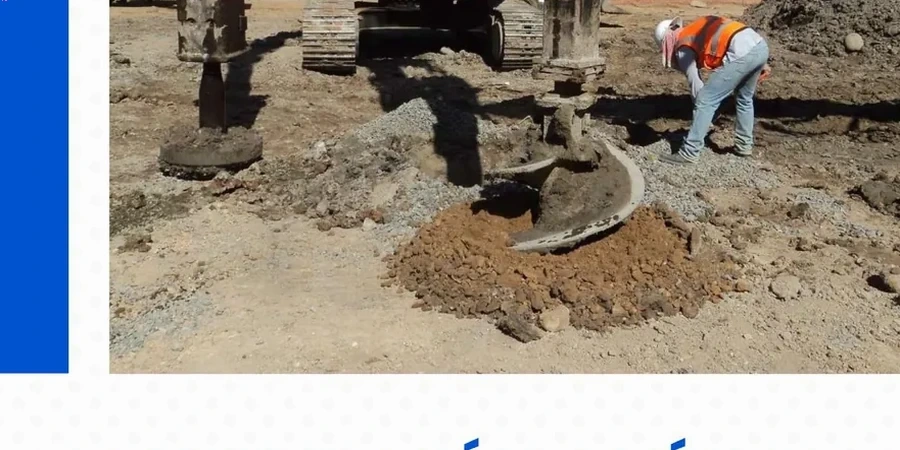
Between the historic East Village and the newer developments near West Glen, Des Moines shows two completely different soil profiles. One sits on older glacial till with some stiffness; the other hits soft alluvial clays by the Raccoon River in the first ten feet. That contrast is exactly why stone column design in Des Moines cannot follow a single formula. Our team runs soil gradation and triaxial tests before any vibro-replacement work begins. We have seen projects where the grain size distribution alone changed the column spacing by 30%. When the fines content exceeds 15%, the confinement behavior changes, and we often recommend a combined approach with vibrocompaction in the upper granular layers. The Des Moines metro, with its 700,000 residents and growing infrastructure, needs designs that account for the variable Pleistocene deposits under the city.
A stone column is only as reliable as the soil data behind it — run the triaxial, measure the fines, and check the water table before you pick the rig.